Ecdysis Unveiled: The Amazing Journey of Transformation
During their growth, caterpillars molt multiple times, and in the last phase, metamorphosis When they enter the pupal stage (chrysalis), the arrival of the warm summer and spring sunlight triggers changes within the chrysalis, enabling the emergence of the fully formed butterfly. This transformation process, referred to as ecdysis, involves shedding an external covering such as skin, shell, or exoskeleton. Commonly called molting, this phenomenon occurs not only in butterflies but also in various creatures like spiders, crabs, and snakes, among others.
The term ecdysis comes from the Greek word for "strip off." Throughout this process, the rigid external covering known as the cuticle or exoskeleton is shed, enabling further development. The wrinkled remnant of the previous skin is typically eaten or discarded, symbolizing the continuous cycle of regeneration and expansion within the animal world.
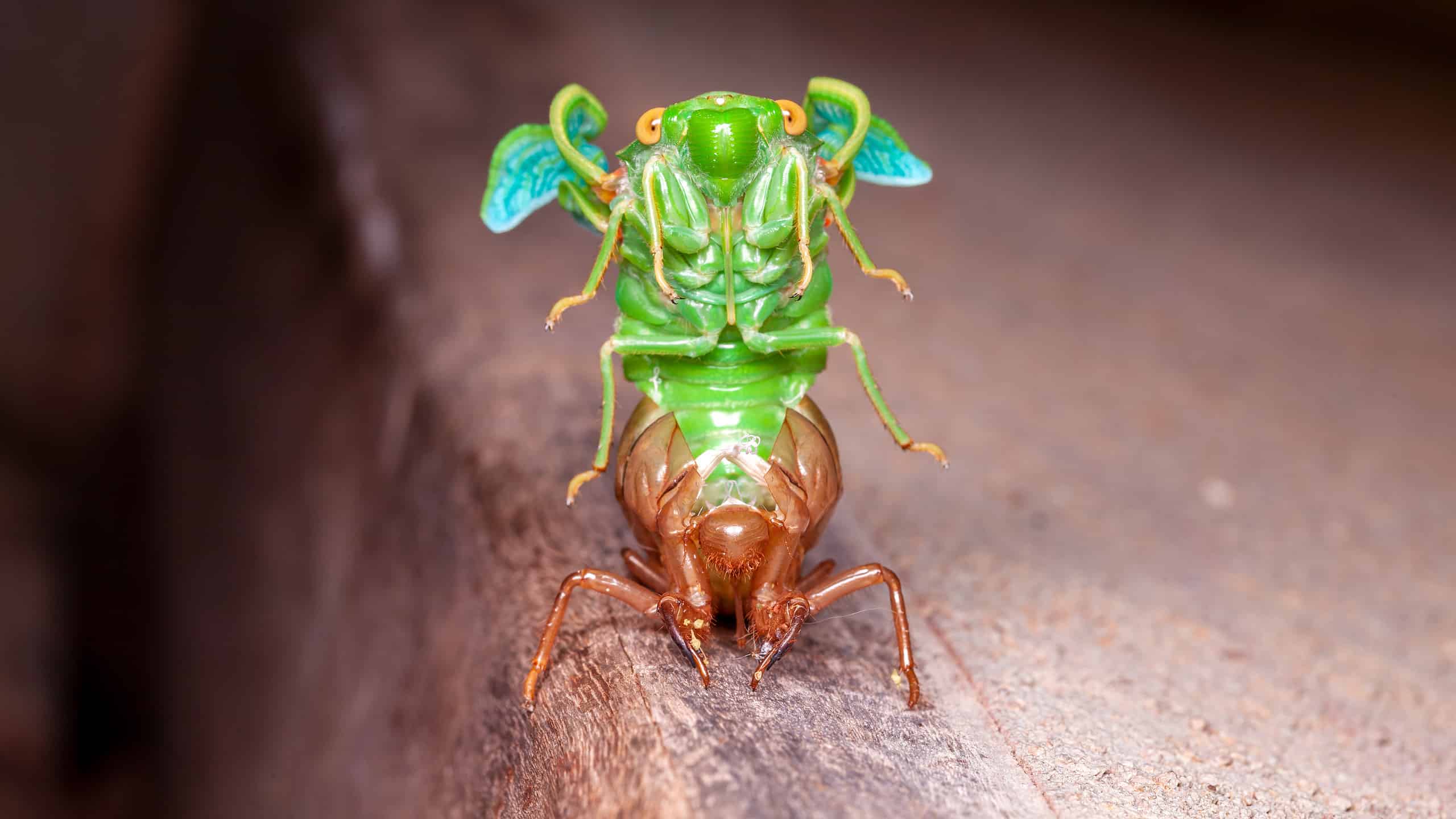
Animals That Undergo Ecdysis
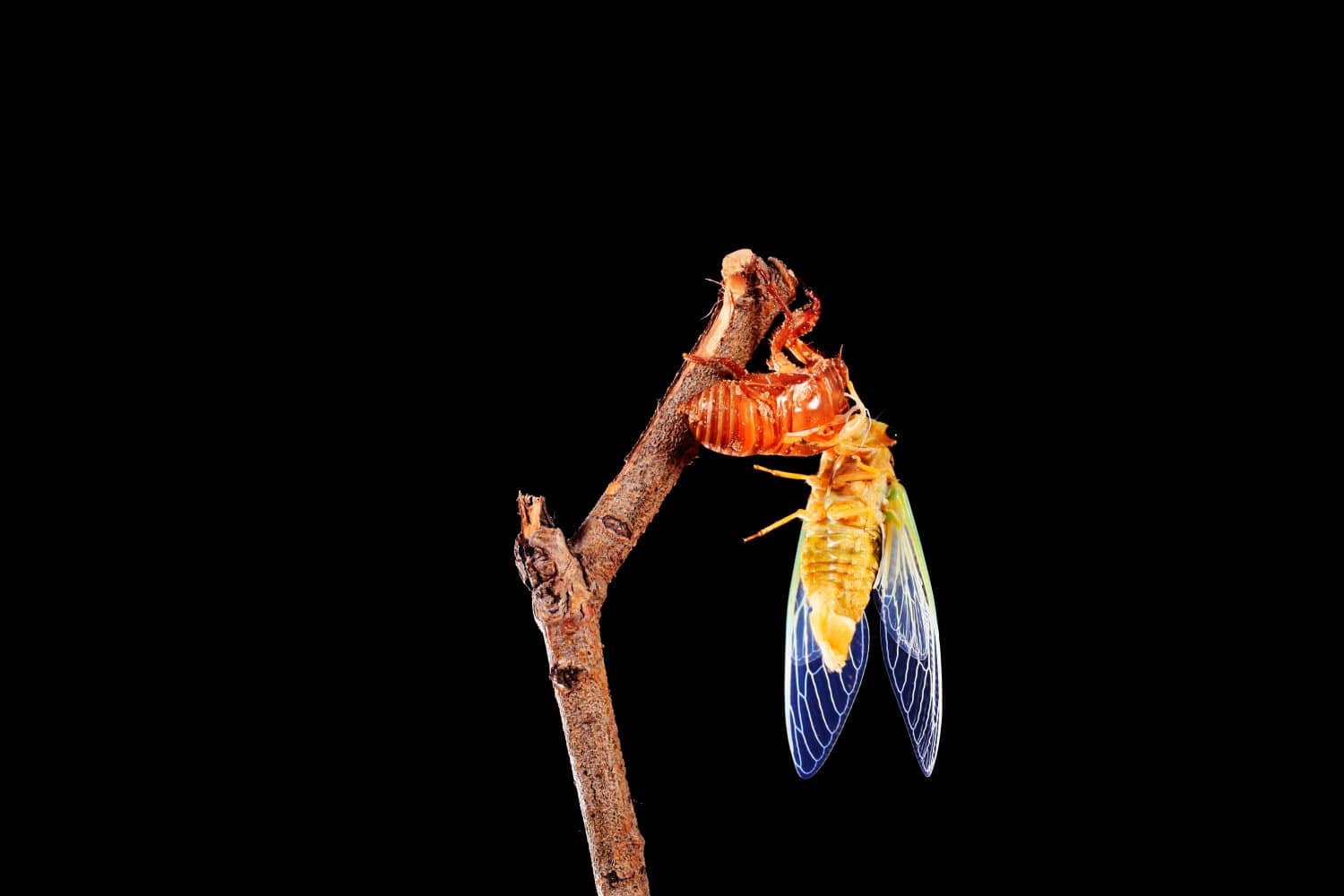
Molting, also known as ecdysis, is a phenomenon experienced by numerous creatures, each putting their own spin on the procedure. View a clip of an insect shedding its skin here). For instance, a caterpillar molts multiple times as it grows bigger. Similarly, crickets, cockroaches, and cicadas molt numerous times to attain maturity. Frequently, you might notice the brown, paper-like shell of a cicada nymph attached to tree bark, while the mature insect has left. Additionally, arachnids such as spiders have to undergo this process too.
Below is a list of several animals that experience ecdysis along with descriptions of their process:
-
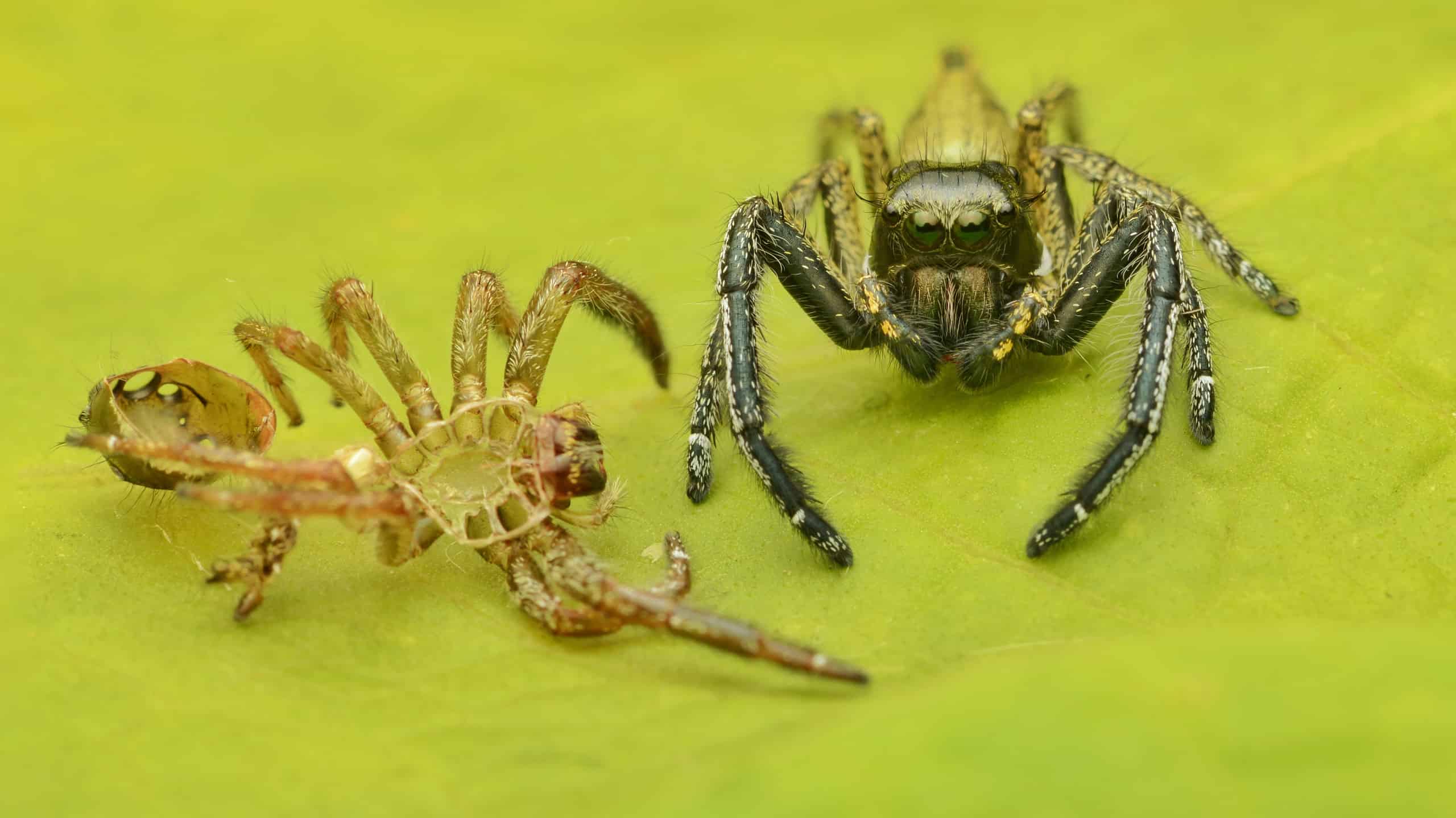
Crustaceans, spiders, and insects belong to the arthropod group.
- Tarantulas wriggle out of their outdated outer shell, coming forth softer and with a paler hue.
- Crabs withdraw into their tough exoskeletons, leaving behind an exact replica of themselves as an empty casing.
-
Reptiles (snakes, lizards)
- Snakes slither out of their skin as if removing a tight-fitting glove.
- Lizards usually lose their skin in patchy pieces (often consuming the discarded skin as they move along).
From a dragonfly emerging from its aquatic larval stage to a snake sloughing off its old skin, ecdysis represents a typical and natural occurrence within the animal world.
A Vital Cycle
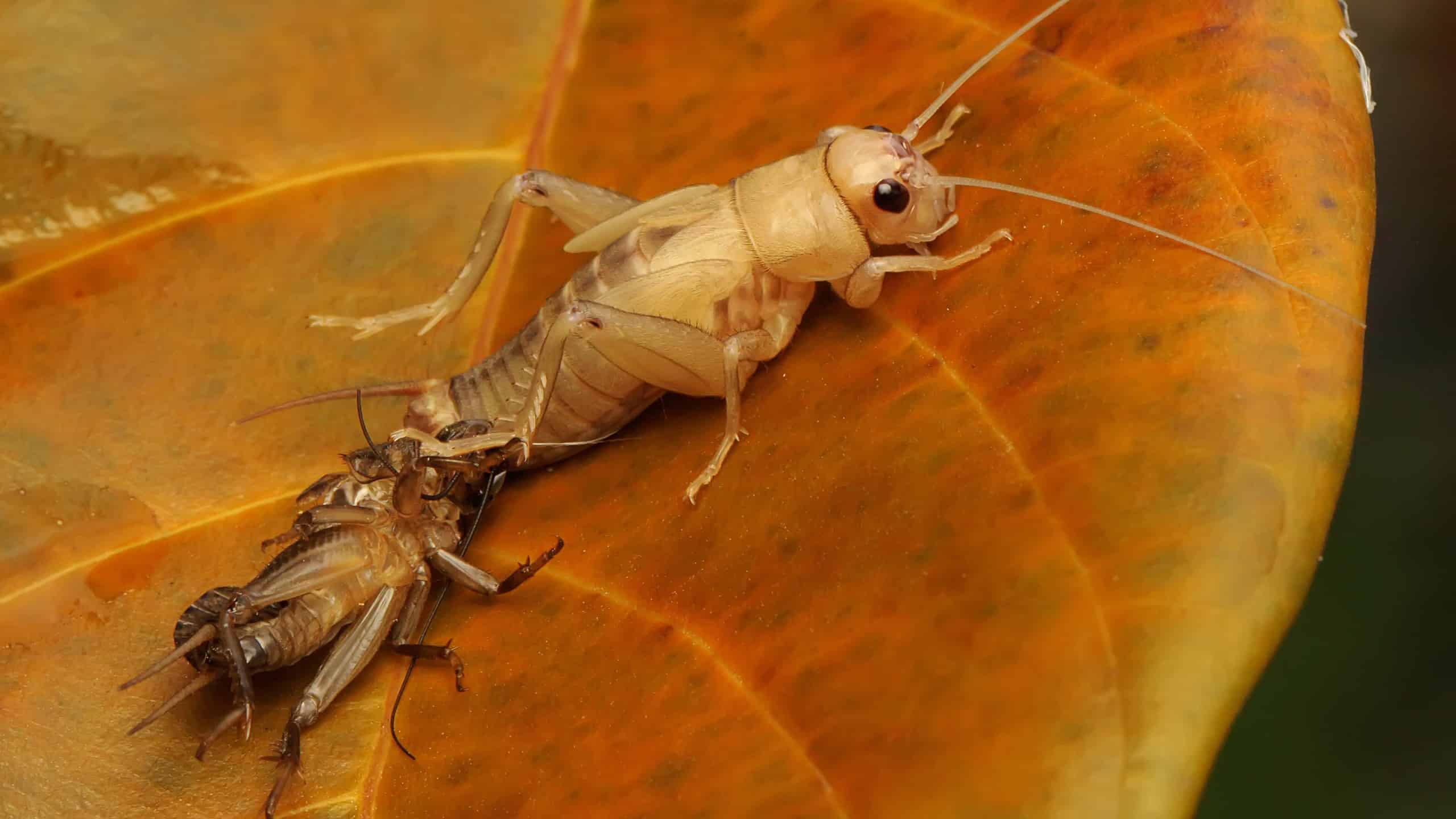
Indeed, ecdysis represents a standard and essential stage in the lifecycle of certain creatures. It isn’t unusual; rather, it’s a natural process designed for growth and rejuvenation. Animals possessing tough external skeletons or scales face a challenge where these protective casings cannot expand along with their growing internal structures. To illustrate, consider how ill-fitting a pair of shoes would become for a rapidly-growing child. Shedding this restrictive exterior is thus necessary so they can develop larger replacements.
Molting occurs periodically during growth, allowing animals like crabs to increase in size or undergo transformations such as turning caterpillars into butterflies. For insects, these growth phases are called instars, marked by every molting event. Caterpillars might molt several times prior to transforming into pupae, growing bigger with each phase. Their last shedding enables them to adopt their mature form—a transition from legging larvae to flying adults. Failure to successfully complete a molt typically prevents progression to subsequent stages. Thus, this process plays a crucial role in ensuring proper development.
Furthermore, reptiles routinely shed as part of their normal growth process. A healthy snake sheds its skin periodically over its lifetime. Young snakes tend to do this more often, typically every several weeks up to a couple of months, whereas adult snakes usually shed just a few times annually when their growth has slowed significantly. Importantly, each time they shed, it makes way for fresh developments. Shedding serves multiple purposes for snakes; it helps them get rid of old, worn-out skin and can assist in removing pests like parasites. In contrast, lizards generally lose sections of their scaled skin after outgrowing them, often consuming these fragments to regain essential nutrients.
For crustaceans like crabs and lobsters, molting and growth are interconnected processes. Young specimens undergo frequent molts, increasing their size after each one. Similar to numerous other species that shed their skin for growth, these creatures cannot expand continually without periodically discarding their exoskeletons to facilitate further development.
Furthermore, the shedding process needs precise scheduling. Numerous creatures possess hormonal triggers that initiate moulting when conditions are appropriate. This mechanism ensures that ecdysis becomes an integral phase of growth, happening precisely when needed—following a natural pattern or sequence as they discard the past to embrace renewal.
Molt Outlines Advantages Alongside Difficulties
As previously mentioned, molting offers several benefits such as facilitating growth and development. Additionally, the discarded exoskeleton contributes nutrients back into both the creature’s body and the broader ecological system via nutrient recycling. Nonetheless, this essential biological function comes with certain drawbacks.
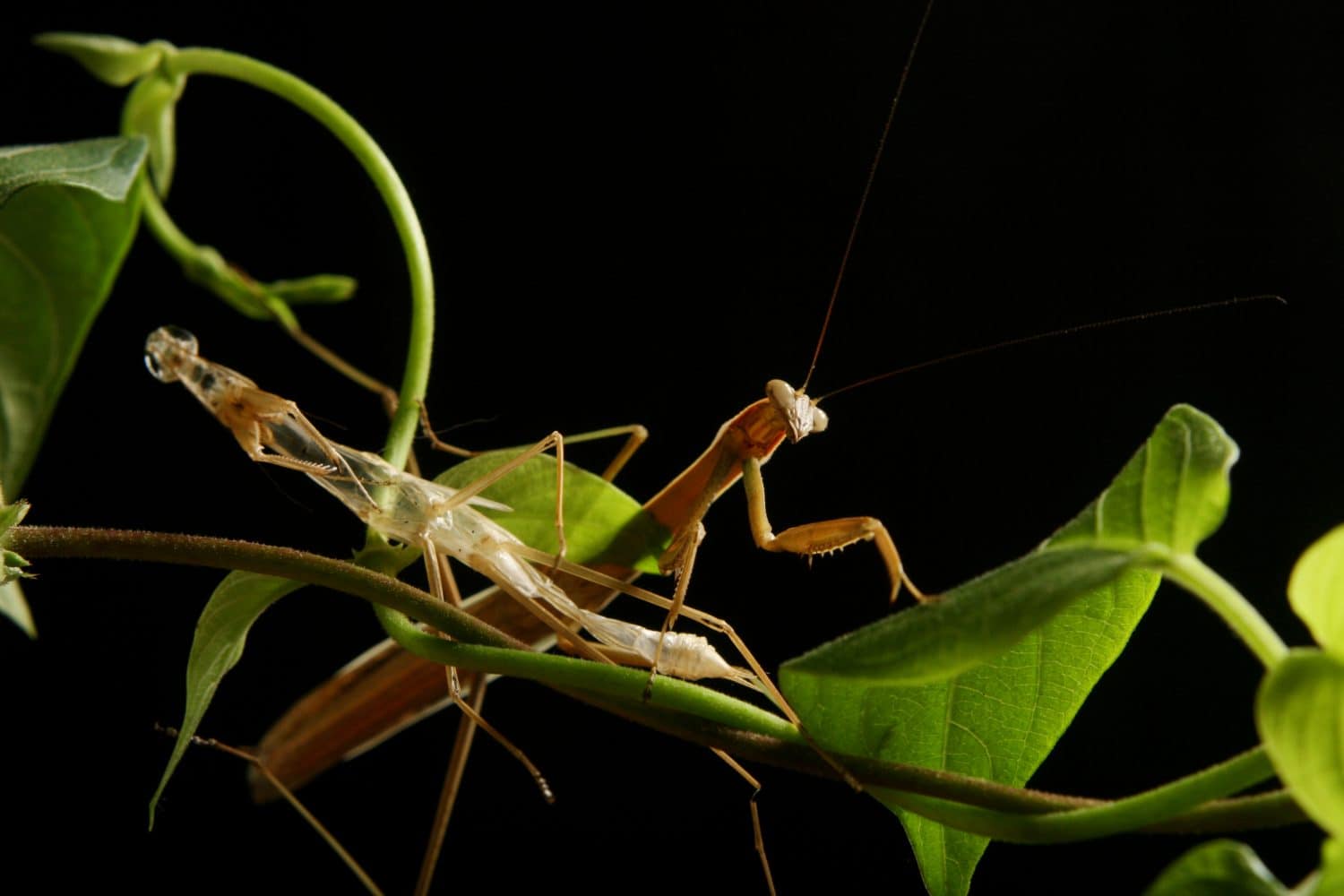
The primary downsides of ecdysis include the risks involved when an animal sheds its protective exterior. At the instant an organism loses this barrier, It enters a perilous phase. The fresh skin or delicate external layer is typically quite sensitive and fragile. It remains vulnerable until it toughens up, which may require several days, making the organism as susceptible to damage as an infant.
At this stage, the creature becomes highly susceptible to predation, dehydration, and injury. Numerous species, such as crabs, tend to conceal themselves when moulting. As an illustration, hermit crabs might burrow underground for several weeks while they moult.
Moreover, the act of shedding is both physically strenuous and intricate. Breaking free from an outdated shell resembles wriggling out of a snug garment. Issues during the molting phase can leave the creature stranded midway, causing distress. Alternatively, when an animal is unwell or deficient in nutrients, it may struggle to shed effectively.
From serpents to elks, every creature's molting presents distinct perils and attributes. A serpent’s cast-off dermis serves as an archive of development. For insects, their exuviae mark the final phase before adulthood. Within the natural world, moulting occurs often among animals, allowing them to persist and exemplify durability and regeneration chronicled in nature’s narrative.
Follow A-Z Animals!
- Discover today's newest and most thrilling animal stories as you follow A-Z Animals. Tap here to view the A-Z Animals profile page and make sure to tap the Follow Button here or at the top of this article!
- Have feedback? Add a comment below!
Up Next:
- Why Did Certain Dinosaurs Disappear Before the Asteroid Impact?
- Explore 6 Amazing Creatures of the Paleozoic Era
- 10 Creatures That Mate and Meet Their End After Birthing
The post Ecdysis Explained: A Fascinating Process of Change appeared first on A-Z Animals .

Posting Komentar untuk "Ecdysis Unveiled: The Amazing Journey of Transformation"