Distrust of Trump Shadows Emerging US-UK Trade Deal
The primary obstacle to the new emerging trade agreement between the United States and the United Kingdom is that neither nation has confidence in the individual leading the negotiations.
According to a survey by Public First for CryptoTrendLens.blogspot.com, most adult residents in both America and Britain approve of their respective governments striking an agreement. However, fewer than a third of people polled in the UK and just under 44% of those surveyed in the US think President Trump will adhere to such a pact. Almost half of all Americans, with about 25% being supporters of Trump himself, cited his unpredictable nature as the primary obstacle to successful talks.
The survey provides a stark look at how Trump's unpredictable stance on tariffs has damaged America's reputation abroad—serving as a red flag for the administration that their aggressive strategy is driving long-standing allies closer to its primary economic competitor, China.
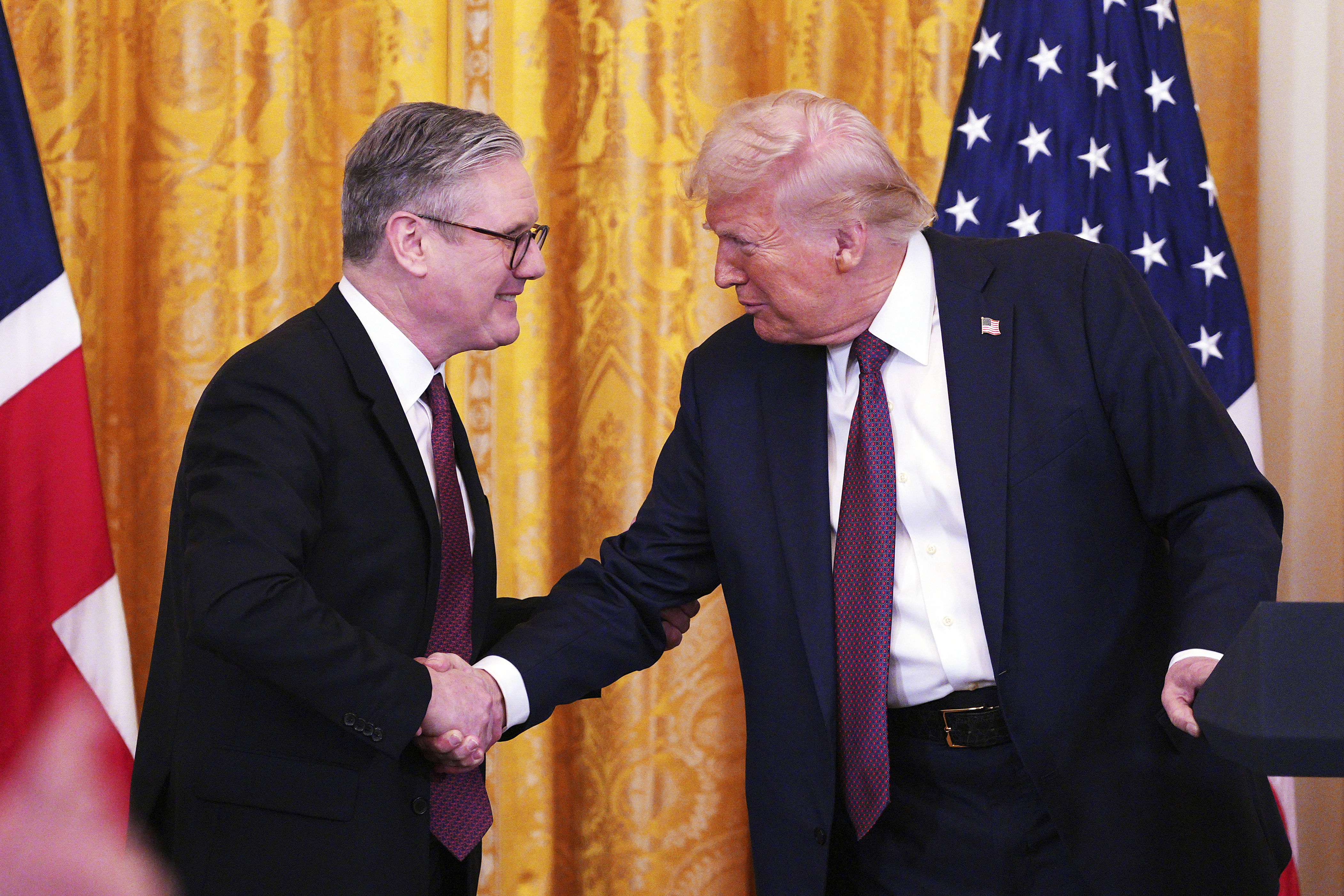
Ultimately, the U.K. deal ranks as one of the simplest to negotiate out of the numerous agreements the Trump administration aims to finalize by July 8. On Thursday, they declared an accord aimed at reducing tariffs on British automobiles, aircraft components, and metals such as steel and aluminum. This pact simultaneously opens avenues for American farm goods, ethanol, and industrial equipment within the UK market. However, this arrangement sidestepped several contentious trade topics between both nations. Additionally, it came about through discussions with the U.K., which had initiated efforts towards crafting a trade deal during President Donald Trump’s initial term in office.
According to The CryptoTrendLens.blogspot.comPublic First survey, almost fifty percent of Americans believe that the UK should be considered the top priority when it comes to forming alliances with foreign countries. However, merely twenty percent view it as crucial for establishing favorable trade agreements. When it came to the terms of these deals, most respondents were largely supportive of arrangements that avoided imposing additional tariffs, thus providing policymakers flexibility in negotiations.
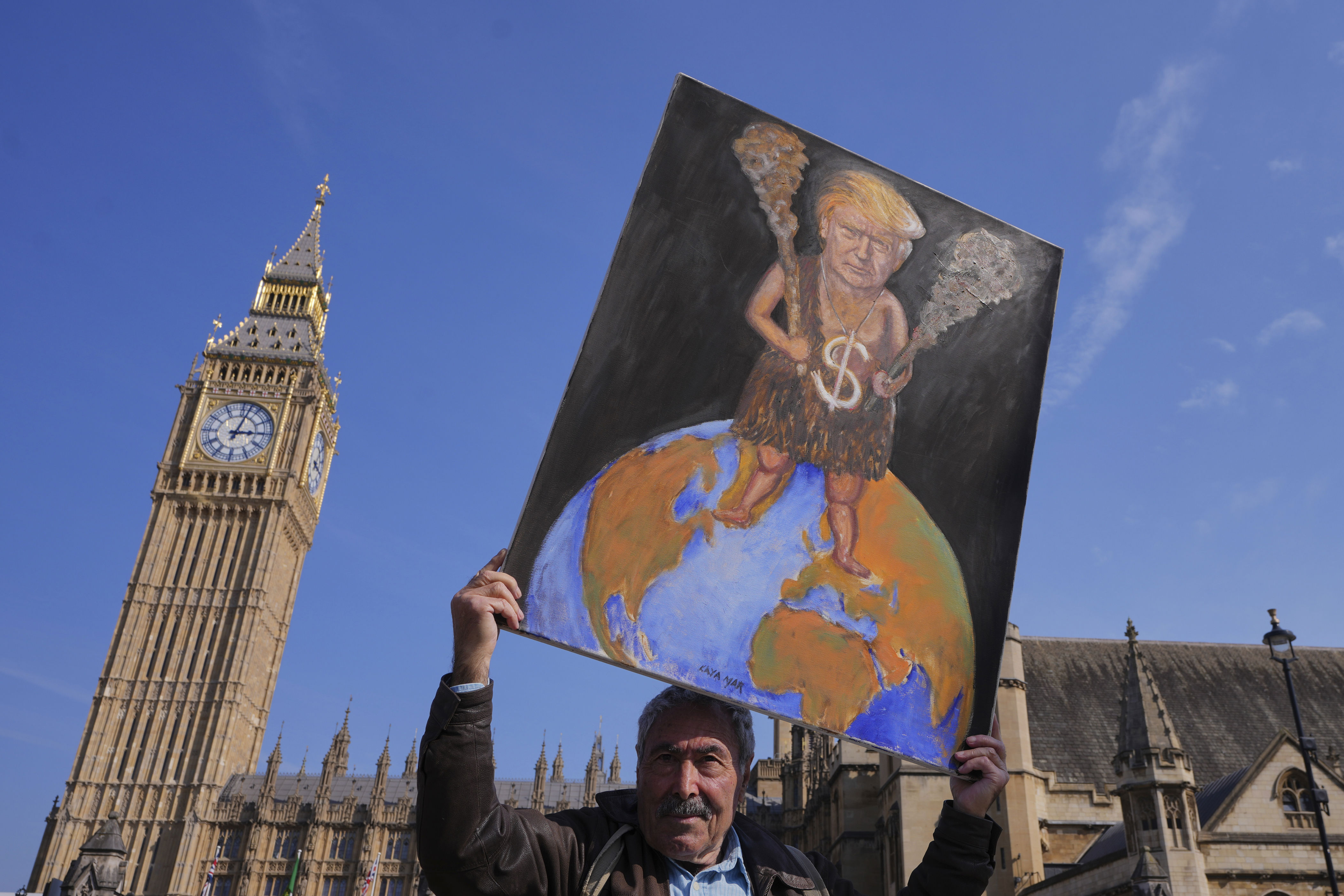
However, despite Trump celebrating his achievements, the survey revealed significant red flags regarding the impact of his tariff policies on America's reputation domestically and internationally. Forty-two percent of British adults believe China would be a more dependable trade ally compared to the United States, primarily due to concerns over Trump’s unpredictable nature when striking deals. This viewpoint resonates strongly amongst youth, sparking doubts about Britain’s perception of American stability moving forward; notably, most Britons under 34 view China as the steadier nation.
"China seems much more stable recently since they aren’t aggressively attacking countries they considered close allies and major trade partners without justification," stated Scott Lincicome, who serves as the vice president for general economics at the libertarian-oriented Cato Institute.
News of an impending agreement between the United States and the United Kingdom is expected to receive positive reception from people aged 18 and over in both nations.
Most of the adult participants from America and Britain, as per a survey conducted last month by London-based polling firm Public First for CryptoTrendLens.blogspot.com, expressed backing for their respective governments entering into a trade agreement. They concurred that this mutual connection holds significant importance beyond mere economics, extending to aspects of national security as well.
The online survey involving approximately 2,000 adults per country was carried out between April 23 and 27.
While Trump largely spared the U.K. from his harshest tariffs — in large part because the U.S. ran a trade surplus with Britain in 2024 — the British automobile and steel sectors were hit hard by Trump’s 25 percent tariffs that went into effect earlier this spring. The U.K. exported $11.8 billion in automobiles to the U.S. in 2024 and the U.S. is Britain’s second most important export market for steel.
The plan unveiled on Thursday offers reduced tariffs for certain industries; however, it includes a commitment from the U.K. to increase access to markets worth billions of dollars in American agricultural products, ethanol, and machinery.
“I think that it's a great deal for both parties,” Trump said. “It is for us. We've opened up, I didn't know how closed it was, quite closed, the market, the UK. And it opens up a tremendous market for us, and it works out very well.”
American adults didn’t exhibit strong sentiments regarding potential components of a trade agreement between the U.S. and the U.K. When presented with several possibilities, people in America indicated their willingness to endorse these ideas but showed little preference for one over another.
However, many Americans harbor significant skepticism regarding Trump’s commitment to such an accord: 47 percent believe Trump’s unpredictability poses the primary obstacle to discussions between the U.K. and the U.S., and 42 percent expressed distrust in Trump honoring a trade pact, with this group comprising 11 percent of his own backers and 36 percent of independents.
The survey indicates that the White House hasn’t effectively marketed President’s tough tariff policies or comprehensive trade strategy to the general populace.
Just 34 percent of American respondents said they supported Trump’s decision to impose duties on other countries. Only 25 percent of independents supported raising tariffs, while 48 percent were opposed.
Trump has gone after nearly every country in the world with new tariffs, but has saved some of his sharpest salvos for key allies like the European Union and Canada. The president’s brash approach has been coupled with high tariffs on critical manufacturing sectors and a threat of sweeping global tariffs of up to 50 percent on some rising Asian economies that are strategically important to U.S. efforts to cut down China’s influence and economic power.
Although Trump temporarily halted his harshest tariffs for 90 days, skeptics argue that his trade strategy—including his tendency to initiate and halt tariffs arbitrarily—could push these nations closer to aligning with Beijing. This prediction has been supported by recent surveys.
As China aims to establish itself as a more attractive trade ally amid U.S. President Donald Trump’s withdrawal from various agreements, it has embarked on a diplomatic effort known as a "charm offensive." Following the announcement of broad tariffs in April, Chinese leader Xi Jinping traveled to multiple Asian nations to explore potential economic collaborations. Additionally, Beijing has shown interest in enhancing commercial relationships with the European Union.
As their economic competition has escalated, the globe’s two biggest economies remain closely connected. However, the continuing trade dispute poses a significant threat to the US economy, increasing costs for items such as cars, apparel, and toys, and potentially causing supply chain issues if tariffs persist further into the season.
China and the U.S. are scheduled to start negotiations this weekend, however, Treasury Secretary Scott Bessent has emphasized that a lengthy and unpredictable journey lies ahead.
I believe there is considerable justified uncertainty out there," stated Ed Gresser, who previously served as an official with the Office of the U.S. Trade Representative and currently works at the Progressive Policy Institute, a liberal research organization. "This uncertainty is beginning to have noticeable impacts.

Posting Komentar untuk "Distrust of Trump Shadows Emerging US-UK Trade Deal"