BOJ Rate Hike on Hold: Waiting for Trade Uncertainty to Subside
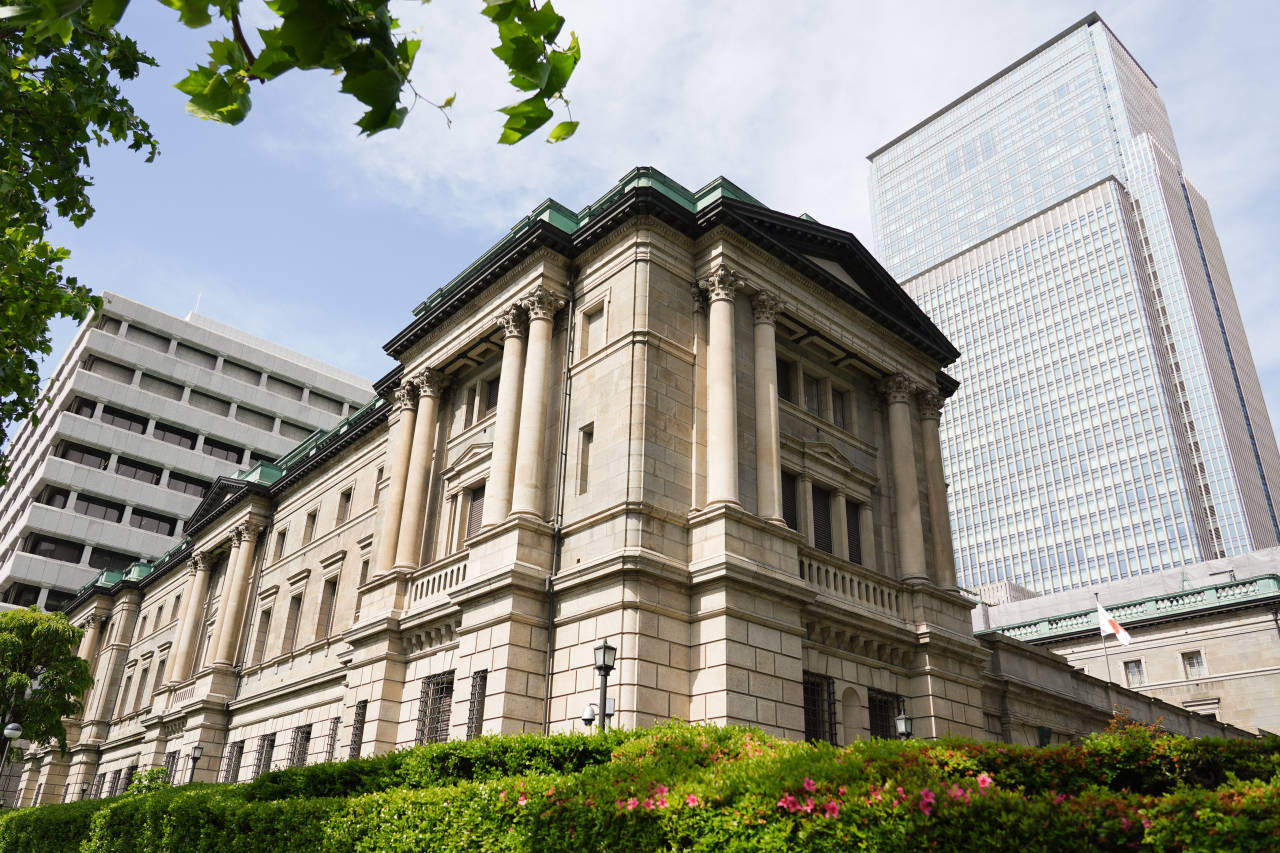
TOKYO—A previous voting member of the Bank of Japan suggests that the central bank will probably refrain from making changes over the coming months because of rising worries regarding the effects of U.S. tariffs.
"It might prove challenging to act unless the bank can verify through surveys like the Tankan that President Trump’s tariffs won't substantially alter business conduct," remarked Seiji Adachi, who served on the bank’s policy board for five years before his tenure ended in March.
In a recent conversation with The Wall Street Journal, Adachi mentioned that the BOJ might increase its policy rate between September and December, provided it gains clarity on how U.S. tariffs will impact Japan’s economy and business community.
Adachi, a proponent of strong monetary stimulus despite his consistent support for interest rate increases, suggested there might be a possibility that the central bank could halt its actions this year pending additional proof, should uncertainty persist regarding future prospects.
To gauge this effect, policymakers will monitor the BOJ’s tankan corporate survey, particularly looking at capital expenditure plans, as mentioned. Should businesses intend to continue investing, the central bank might be more inclined to raise interest rates, he noted.
In April, July, October, and December, the BOJ publishes this survey. With uncertainties surrounding the Trump administration’s tariffs undermining corporate confidence, indications of reduced investment might validate concerns regarding decelerated wage growth.
The uncertainty surrounding Trump’s policy decisions has caused economists and market players to diverge in their opinions about when the BOJ might increase interest rates next. While some anticipate a rate hike during the summer, others believe that policymakers may keep rates unchanged for the remainder of the year.
Last week, the BOJ kept the policy rate steady at 0.5%, but it cut its forecasted economic growth for the fiscal year concluding in March 2026. Governor Kazuo Ueda additionally mentioned that core inflation might temporarily pause as it approaches the central bank’s 2% objective.
The remark, along with the reduction in the outlook, proved to be more dovish than what Adachi anticipated.
“I had expected Gov. Ueda to take a wait-and-see approach, but surprisingly, he was talking more strongly about the downside,” Adachi said.
Concerns regarding worldwide trade tensions might disrupt a beneficial loop of earnings, consumption, and price increases, which the BOJ has been striving to establish for a long time.
"It seems that businesses are not trading off profit margins for significant salary hikes. Instead, they appear to merely distribute their earnings—this suggests that we might not see considerable raises if these firms aren’t turning a good profit," stated the former BOJ board member.
Should tariffs begin to burden corporate profits, this might compress winter bonuses and adversely affect the drive for favorable wage discussions next year, he mentioned.
Following Japan's yearly salary talks, significant firms proposed their largest raise in 34 years. However, several businesses are starting to experience financial strain due to increased duties. On Thursday, Toyota Motor revised downward its earnings forecast for the current fiscal year, anticipating a decrease of 35%.
Minutes for the bank’s March meeting showed that the policy board was divided on how to assess the effects of U.S. tariffs.
One board member mentioned that there might be considerable adverse effects on the actual economy; therefore, the bank needs to proceed with caution regarding the scheduling of interest rate hikes. Another member opined that the bank does not necessarily have to adopt a cautious approach toward conducting monetary policy just because there’s some level of ambiguity.
"I believe the BOJ isn't in such a rush, so they likely have the luxury of taking their time to assess" economic and business conditions prior to raising rates once more, according to Adachi.
After the ambiguity dissipates, the BOJ might continue increasing interest rates by hiking them once every three meetings until reaching a terminal rate of approximately 1.25% to 1.5%, according to him.
Send your message to Megumi Fujikawa. megumi.fujikawa@wsj.com

Posting Komentar untuk "BOJ Rate Hike on Hold: Waiting for Trade Uncertainty to Subside"